My journey into architecture didn’t begin with buildings. It began at the kitchen table with a scalpel, balsa wood, and a shared fascination with flight.
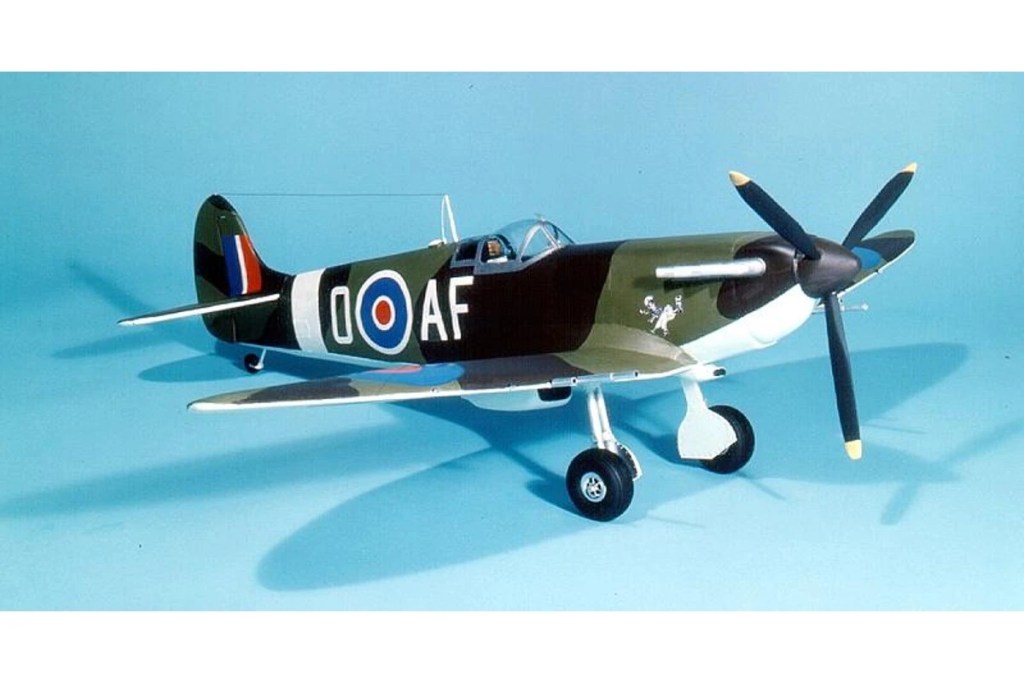
My father, Peter Richardson, was a senior lecturer at Liverpool University and a deeply committed educator in architecture. He was beloved by his students—not just for his technical knowledge, but for his belief in design as a way of thinking and making. He was also, crucially, a dedicated model-maker. His flying models won competitions in the 1950s for their craft, precision, and elegance.
Those qualities stayed with him, and they found their way into me. As a child, I learned to think through my hands: shaping models of planes, understanding proportion, structure, and how things work. I was originally drawn to aircraft design, and for a while, that was the plan. But my father—ever the pragmatist—encouraged me to study architecture first. He saw it as a broader foundation, a field where I could explore technical clarity, design logic, and built form, before specialising further. As it happened, I never left.
From the age of 18, I worked in practice—measuring Victorian terraces for conversion to social housing, drawing up fit-outs by hand, and learning how a set of drawings must speak clearly to a builder. “Do it once, and do it right,” was the rule. Those early years taught me how much care and precision go into making something that works—and lasts.
It also taught me to value clarity above flourish. Architecture is, fundamentally, about purpose. But that doesn’t mean it should lack poetry. The most elegant designs—like the best aircraft or the best buildings—are those where nothing is wasted and everything belongs. That balance between performance and grace is still what I aim for in every project I work on.
Nowhere is that balance more rewarding—or more complex—than in the design of public venues. My focus in recent decades has been on stadiums, arenas, and educational institutions: places designed not just for individuals, but for communities. These projects demand a deep technical understanding—of sightlines, circulation, security, servicing, acoustics—and they must also deliver something more: delight, generosity, and a sense of identity. In these buildings, everything must work. But it must also sing.
That’s the creative tension I love most. Much like the aircraft models of my youth, these buildings are complex machines wrapped in something beautiful. They are highly engineered, but they also carry meaning. The best ones express a kind of calm clarity—they sit comfortably in their landscape, feel right to the eye, and feel good to be in.
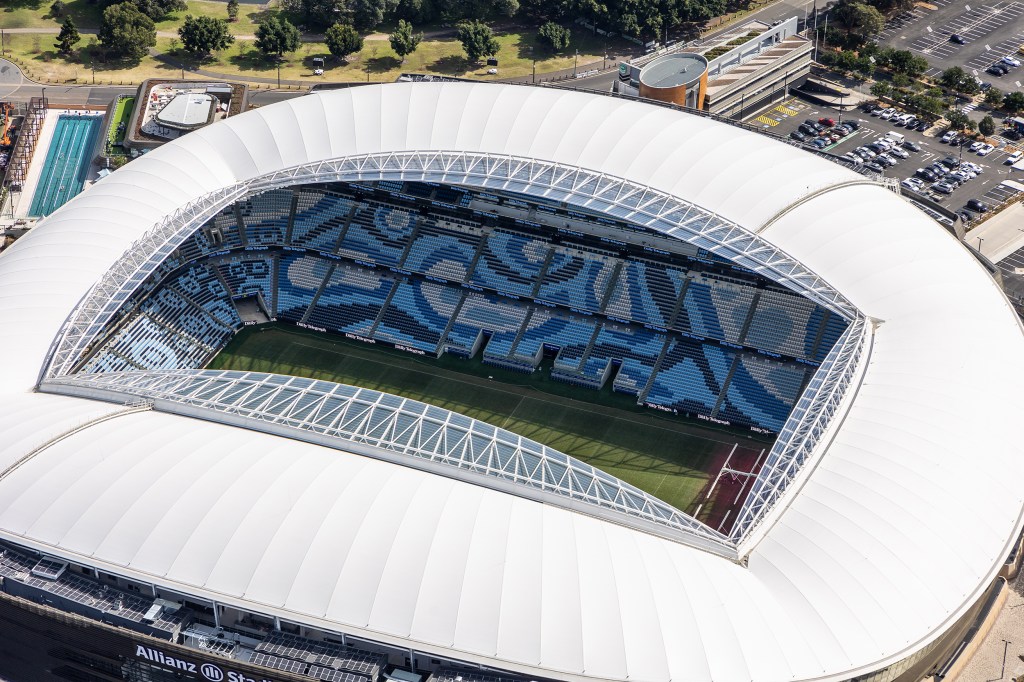
Over time, I found my place in public architecture. Not just because of the scale or complexity, but because of what it represents: a chance to design for many, not just a few. From social housing and heritage buildings to stadiums and civic masterplans, I’ve tried to bring that same mindset to every commission—thinking strategically, designing carefully, and always looking for the thread that holds it all together.
What began as model-making with my father became a lifelong inquiry: how we shape the places that shape us.
 alastair richardson. architect, strategist, director of cox architecture
Leave a comment