Twelve Years at Scotch: Architecture in Service of Legacy
Errington Retreat was shortlisted for this year’s RAIA Victorian Chapter Heritage Awards. While it did not take out the award, the project stands as a classic approach to heritage—where the new is carefully crafted onto the old.
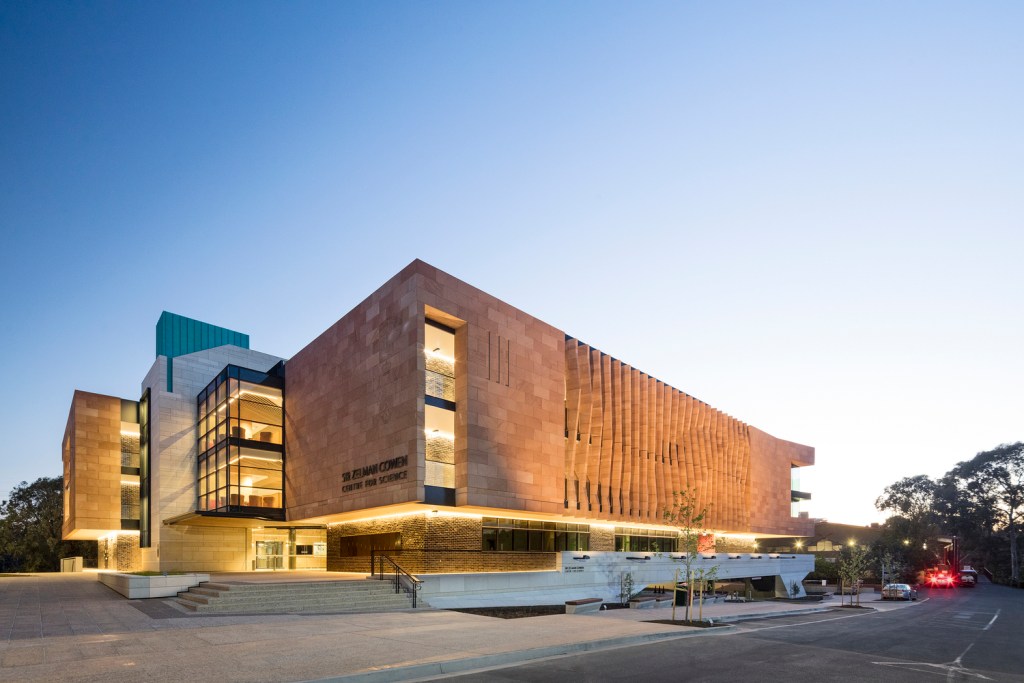
The redevelopment provides a new ‘home’ for the boarding precinct of one of Melbourne’s oldest schools, Scotch College. Founded in 1851, the School has, over the past decade, embarked on a campus-wide renewal, including the Sir Zelman Cowen Centre for Science, the Spencer Centre for Design and Technology, the Keon Cohen Dining Hall, and senior boarding accommodation.
Sir Zelman Cowen Centre for Science. Photography: John Gollings
Core to each of these projects has been a shared desire—by the School and by the COX team I’ve led—to create a timeless architecture, one that honours the institution, its history, and its values. Through adaptive reuse and an emphasis on longevity, sustainability, and resilience, the designs reflect the ethos of the School and its pedagogical commitment to the students in its care.
This project is the culmination of our work at Scotch. As this 12-year journey with Scotch College draws to a close, the campus now reflects a renewed architectural identity.
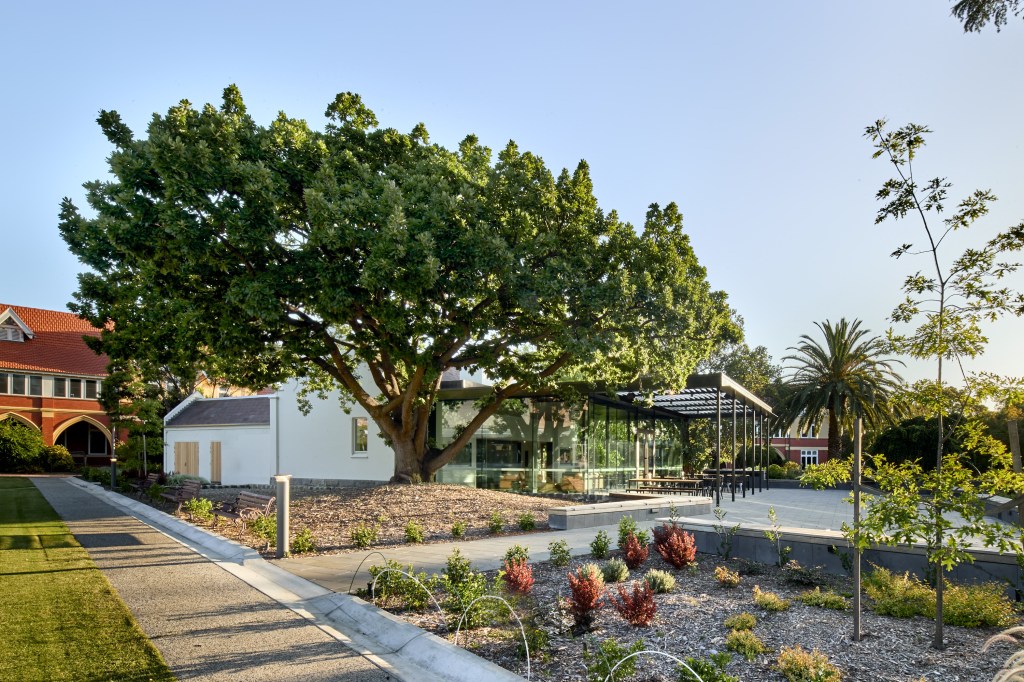
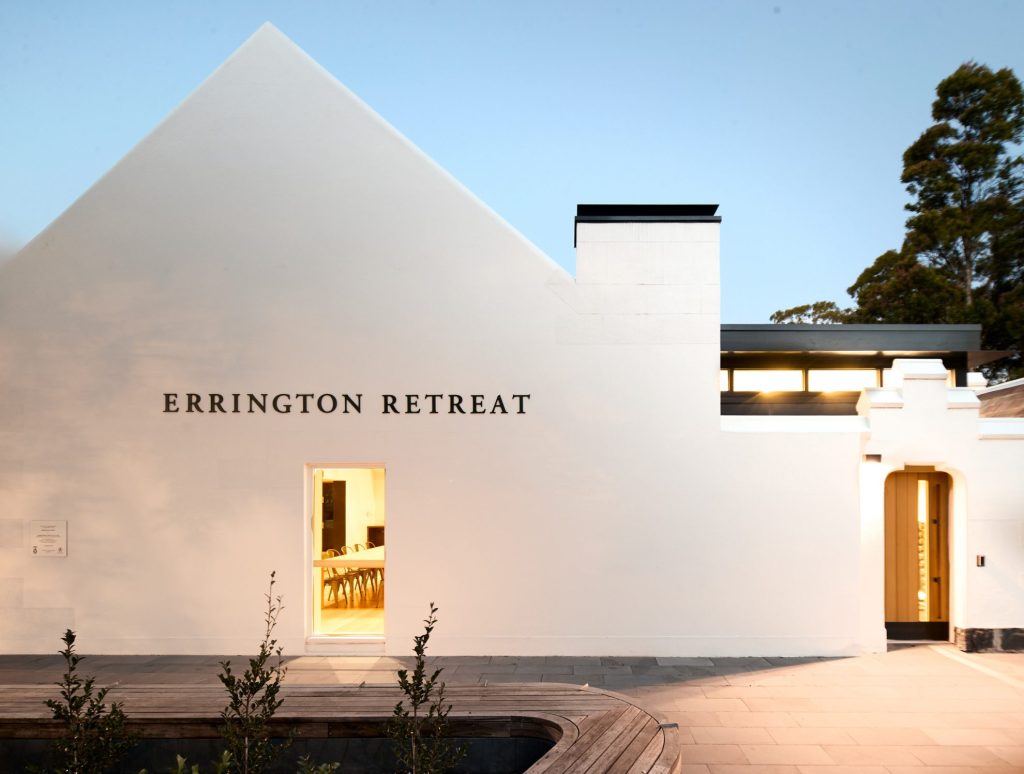
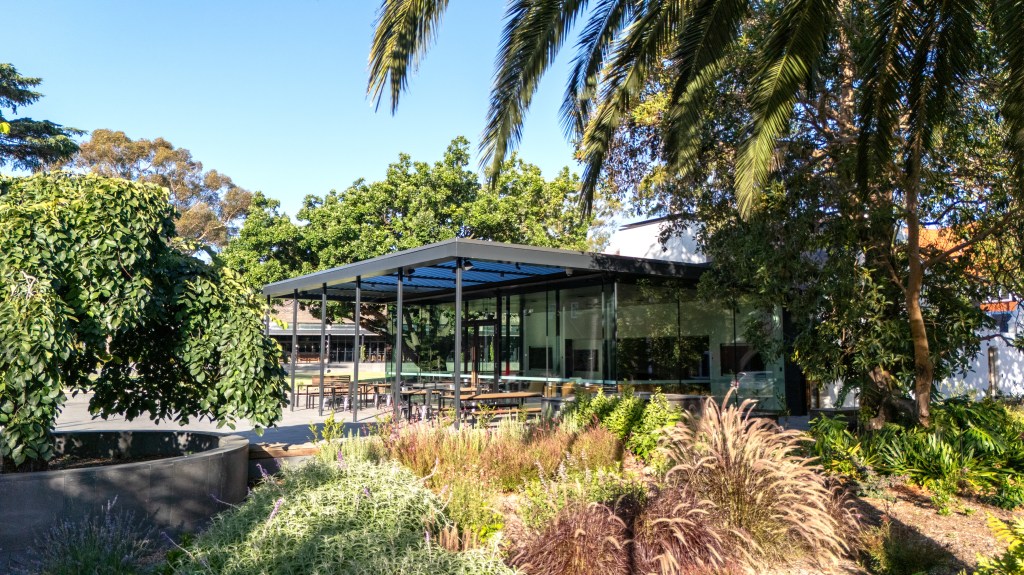
Errington Retreat is the latest of these works, bringing to a close the long-term redevelopment of the Boarding Precinct. Drawing on the remnant of the original Glenn House—which stood on this site until the 1940s—the design pays homage to the past while addressing the future through the pared-back elegance of a steel and glass extension. Care was taken to nestle this extension into the landscape, allowing a spatial sequence to unfold—from the new Central Hall, through the conservatory, and out into the gardens. This clear parti and hierarchy of spaces offers the boys and their families places to gather, connect, and rest at the heart of campus life.
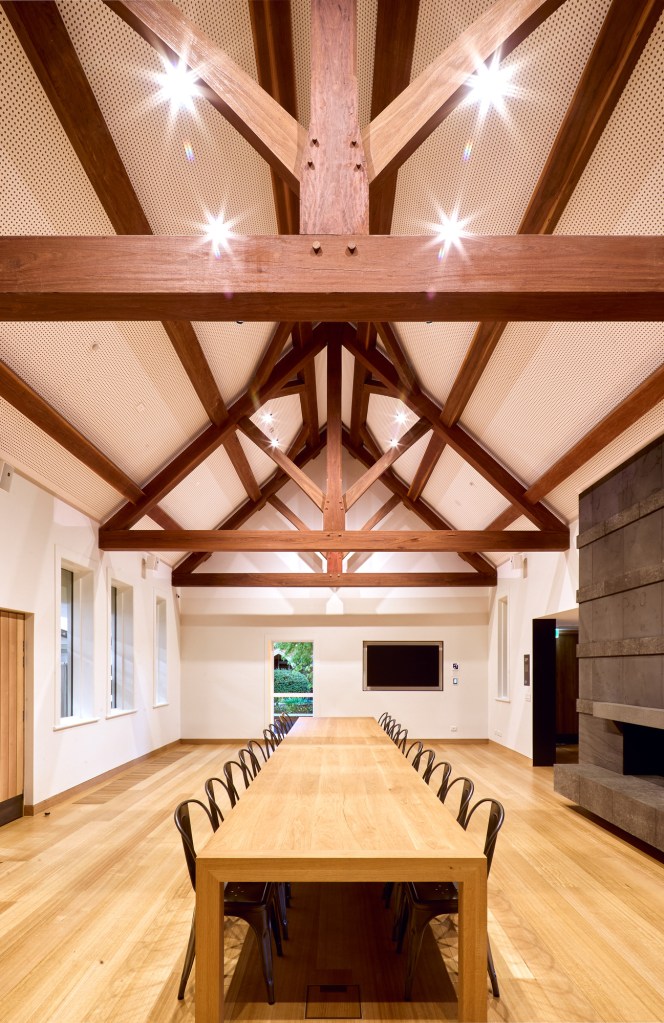
At the centre of the new building is the Central Hall, shaped from the last remaining element of Glenn House—the scullery, which more recently served as the boarding laundry. The core of the structure was retained and given a new roof, clad in original slate tiles. The roof is supported by traditionally crafted timber king-post trusses, pegged together with timber joints—an early construction tradition, here proudly made visible.
The new ‘village green’ links Errington Retreat with the dining hall, forming a generous lawn at the centre of the precinct. Framed by a mature oak tree retained alongside the new extension, the building appears to recede into the landscape backdrop, quiet and assured.
This project is the culmination of our work at Scotch. As this 12-year journey with Scotch College draws to a close, the campus now reflects a renewed architectural identity. Through careful re-purposing, considered new interventions, and a deep respect for craft, the School has repaired the architectural damage of the 1960s and reasserted its place as a setting of enduring beauty and thoughtful design. What began with a new sports pavilion has grown into a carefully curated sequence of buildings that speak to the timeless values of the School and its community.
Great buildings require not only great design, but great patrons. The School and its Property Committee have fostered an environment where quality, clarity and long-term thinking could flourish. It is my hope that these buildings last—as they were intended—for 100 years or more, continuing to support and inspire generations to come.

 alastair richardson. architect, strategist, director of cox architecture
Leave a comment