One of the greatest pleasures of working across continents is the opportunity to engage with different cultures. Architecture, at its best, is not an insular practice. Since the Renaissance, architects have enriched their understanding of the built environment through national and international exchange — from the Grand Tour of 18th and 19th century Europe to today’s digitally enabled exploration of global design.
These journeys — physical, intellectual, and virtual — are tools to inform, not to imitate. They shape a vocabulary and an understanding that, when synthesised with local context, allow us to design with empathy and relevance wherever we work. The act of borrowing ideas is less about replication and more about interpretation: what can be learned, adapted, and transformed.
My own design sensibility has been deeply influenced by personal and professional time spent in Europe, Japan, India and Southeast Asia. These experiences have left an indelible mark — not in the form of stylistic mimicry, but as a deeper appreciation for proportion, ritual, climate, construction, and culture. This appreciation has guided my approach to designing public venues and stadiums throughout my career.
More recently, the work I’ve undertaken — with clients and collaborators in India, Japan, Singapore, Saudi Arabia and Germany — has prompted me to reflect on what we, as Australian architects, bring to these partnerships. What defines our contribution, and how does it differ from that of our colleagues in Europe or the United States?
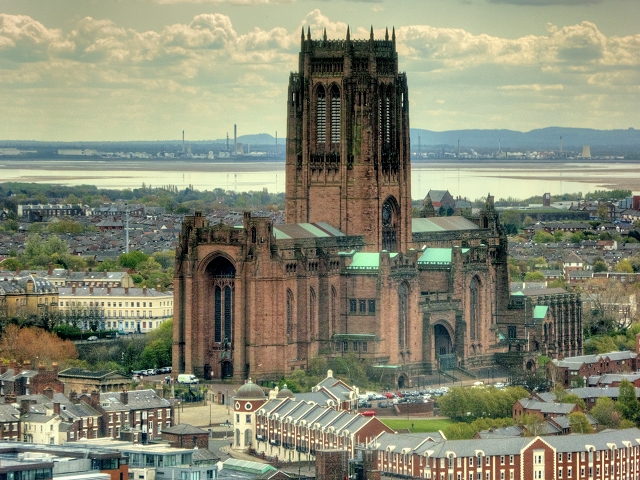
As someone raised in the shadow of Sir Giles Gilbert Scott’s majestic Gothic Revivalist Anglican cathedral — rising as a symbol of hope over Liverpool — and having spent the past thirty years living, working, and raising a family in this sun-drenched country, I feel uniquely placed to explore this question.
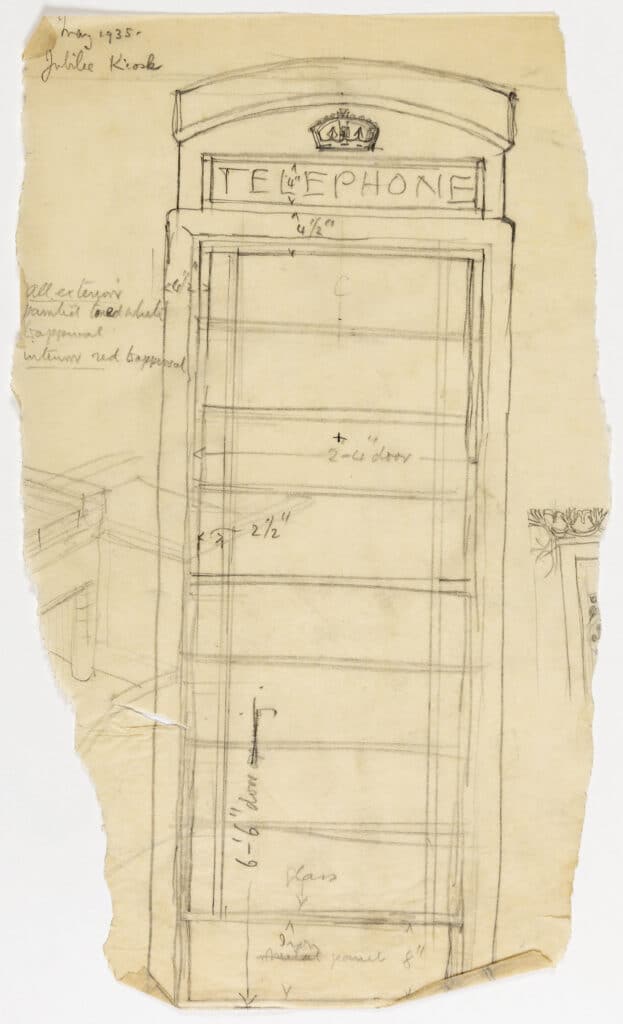
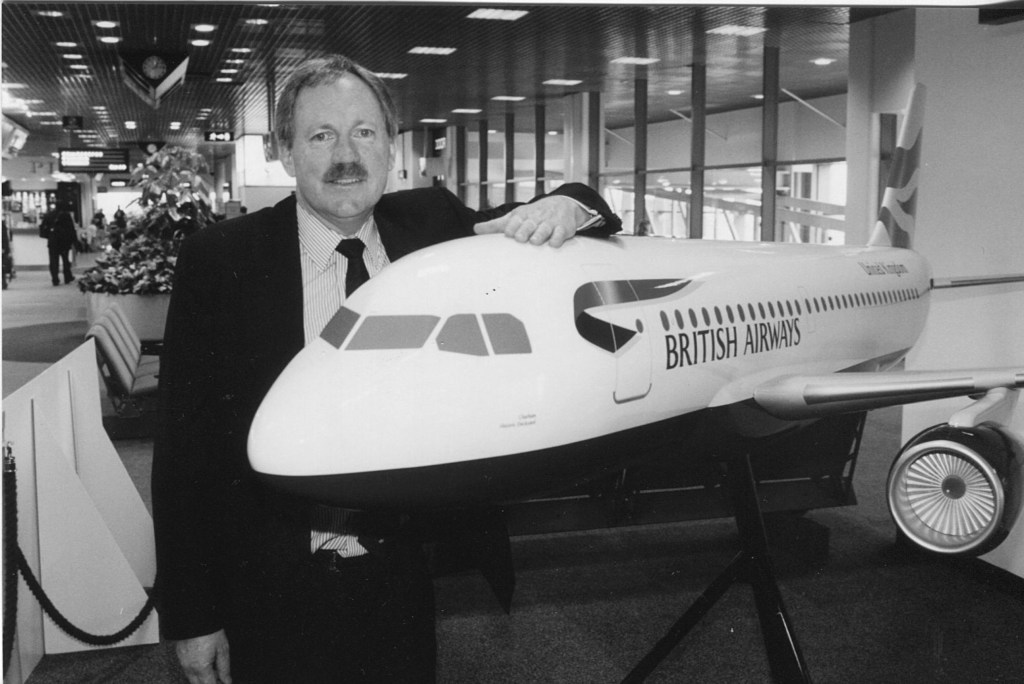
In doing so, I return to two Australians whose careers were shaped by working across national and cultural boundaries: General Sir John Monash and Sir Rod Eddington. Monash, praised by historian A. J. P. Taylor as “the only general of creative originality produced by the First World War”, was an engineer and military strategist, brought a sophisticated understanding of industrial systems to the rebuilding of Melbourne and Victoria after the First World War — much of it gained through observation and experience in Europe. Eddington, former CEO of British Airways and Cathay Pacific, once reflected that Australia’s position at the “end of the line” affords us a useful detachment. That distance gives us the freedom to see more clearly — to observe, to question, and to reframe rather than repeat.
Australia’s position at the “end of the line” affords us a useful detachment.

This sense of detachment — of standing just outside the centre — is not a disadvantage. It can be a gift. It allows us to see systems as they are, not simply as they are claimed to be. It fosters an ability to interrogate the status quo, to listen closely, and to respond to cultural and political complexity with sensitivity and curiosity.
Importantly, it also allows us to engage without the weight of imperial legacy. While Australia’s own colonial history is undeniable, we arrive at the table differently from our counterparts in the UK, France or the United States. We are often seen as neither insiders nor outsiders — a position that carries potential for both trust and fresh insight.
This neutrality enables us to design in a way that seeks meaning rather than dominance. Our work is often grounded in three interconnected layers of understanding:
- Contextual — informed by physical place, climate, materiality, and local practice
- Cultural — informed by country, ritual, rhythm, and collective memory
- Societal — informed by human interaction, observation, and lived experience
In projects ranging from major sporting venues to civic precincts, we find that this layered approach helps to bridge divides — between old and new, global and local, sacred and everyday. It enables us to co-create spaces that are both resonant and relevant.
At the same time, we must remain mindful that cultural exchange is not a one-way process. It’s not just about what we bring, but about how we listen, adapt, and collaborate. Respecting local expertise, engaging meaningfully with community voices, and sharing authorship are not just ethical responsibilities — they are vital to good design.
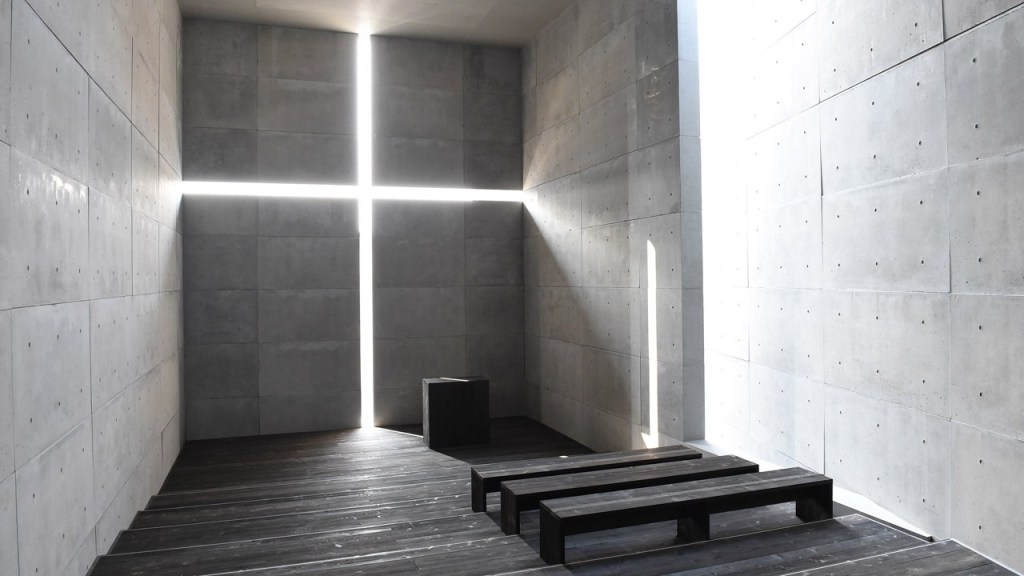
Since 2016, our work in Japan has allowed us to contribute to a number of public projects where thinking outside established norms — unburdened by deeply embedded cultural frameworks — has created opportunities to blend creative, non-conformist approaches with the Shinto and Buddhist sensibilities of Japanese design. Shinto and Buddhist aesthetics champion simplicity, honest materiality, the quiet dignity of restraint, and the concept of ma—negative space that allows presence through absence, breath in form. These values underpin architecture that is meaningful beyond form.
“I don’t believe architecture has to speak too much. It should remain silent and let nature in the guise of sunlight and wind.”
Tadao Ando
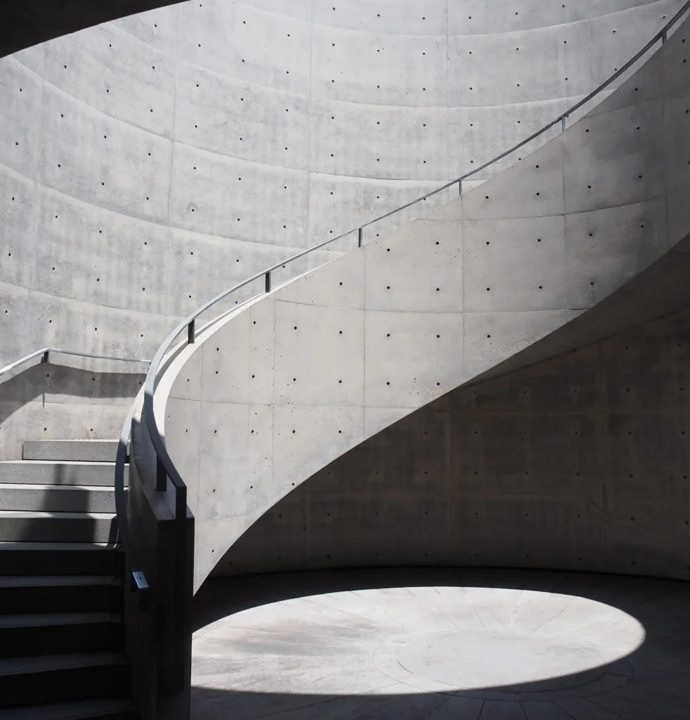
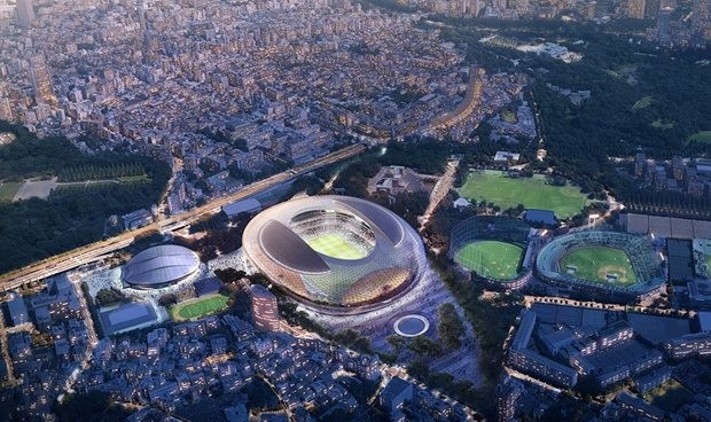
This journey began with COX Architecture’s submission for the Japanese National Stadium competition in 2012. The scheme, which was highly commended by the Japanese jury, proposed an East-meets-West approach grounded in scale, materiality, landscape and advanced engineering. The design referenced the great tradition of Japanese minimalism — where everything has a reason and nothing is without meaning.
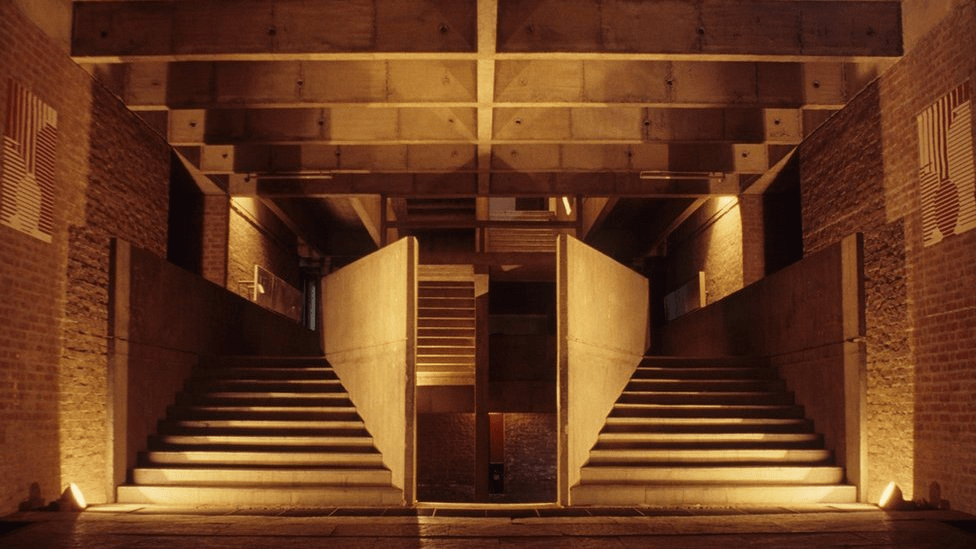
In India — often described as an enigma within an enigma — the richness and diversity of cultural, spiritual and geographic contexts defy singular definition. In the work and writings of Balkrishna Doshi, India’s first Pritzker Laureate, we see a profound understanding of architecture as an extension of life: embedded in community, responsive to climate, and expressive of both ritual and daily rhythm.
This ethos is central to our work in Ahmedabad, where COX is part of the BCC consortium delivering the masterplan and major venues for the Sardar Vallabhbhai Patel Sports Enclave. Built on the site of a former coal-fired power station, the project is part of a broader regeneration of the Sabarmati River corridor — a shift from industrial legacy to clean economy. The buildings draw from the principles of Indian modernism, while connecting deeply to the cultural memory and history of place.
Ultimately, working across cultural divides is not simply a professional challenge — it is a human one. It requires humility, curiosity, and a willingness to be changed by the process. In that transformation — through listening, observing, and co-creating — we become better designers. We become better citizens of the world.
In an increasingly multicultural world, where projects are located in diverse settings and architects come from all corners of the globe, understanding cultural richness — and resisting a globalised, anonymous modernism that prioritises form over place — is not only a design imperative. It is a pathway to better cities, stronger communities, and more meaningful architecture.
 alastair richardson. architect, strategist, director of cox architecture
Leave a comment