I recently sat down with a colleague to reflect on the Australian Olympic journey from Sydney to Brisbane.

Q: What are your strongest memories from working on the Sydney 2000 Olympics?
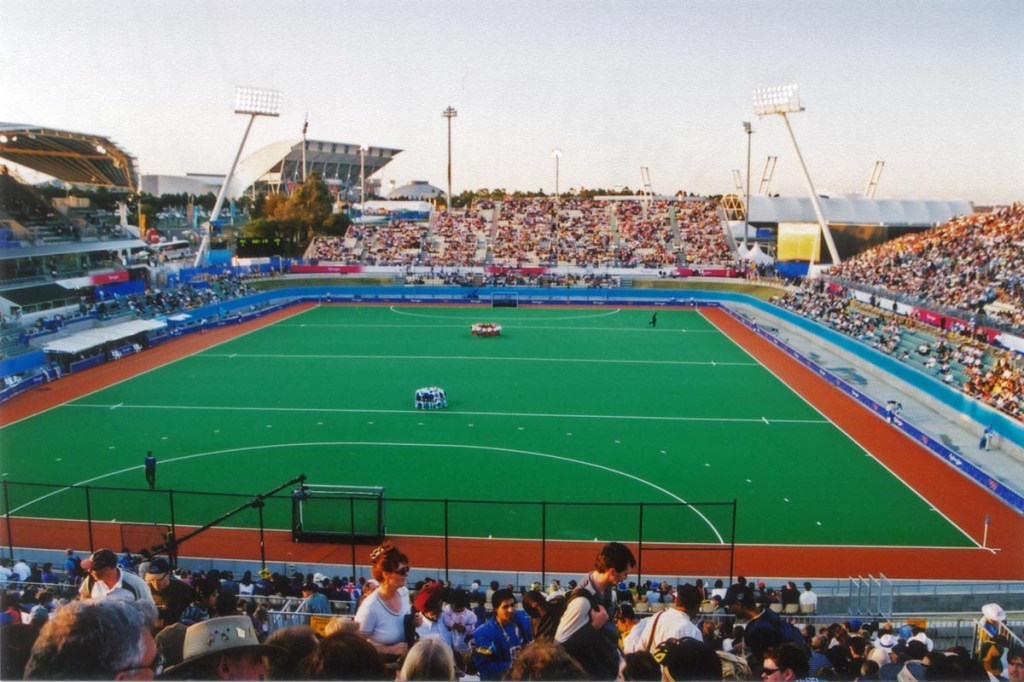
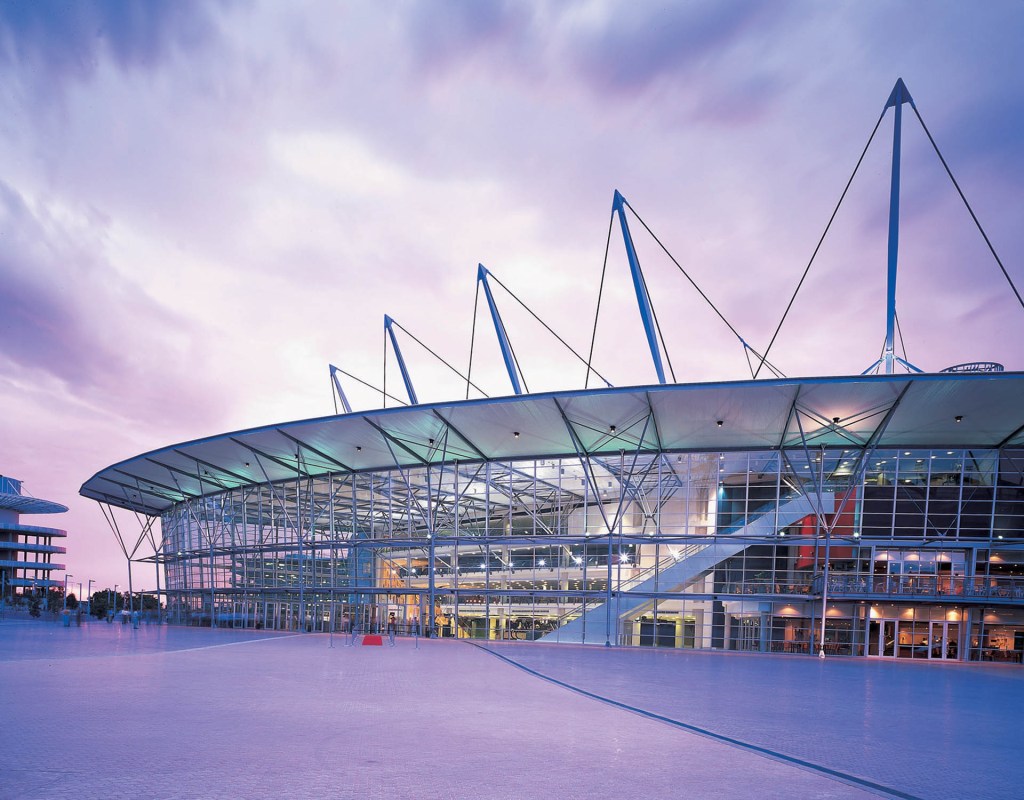
Alastair: Being part of “the greatest show on earth” was extraordinary. I was thrown into the task of overlay planning for the southern end of the Olympic Precinct at Homebush Bay — aquatics, tennis, hockey, the State Indoor Sports Centre, and the main live site. It taught me how the Games are as much about logistics and transformation as they are about architecture. You’re not just designing a venue; you’re designing the overlay that makes the whole event work.
Q: Sydney is still remembered as the “best Games ever.” What made it so successful?
Alastair: Sydney was the first Games to really embrace sustainability and legacy. It wasn’t perfect, but it set new standards. Many of the venues I was involved with were central to the medal tally — aquatics, hockey, athletics, tennis — and that helped athletes perform at their best.
But beyond medals, it was the atmosphere: a Games that felt open, celebratory, and deeply Australian.

Q: COX have recently hosted athlete forums. What did you learn from today’s Olympians and Paralympians about what makes a Games successful?
Alastair: The biggest lesson is that the athlete experience is different from what the public sees. We think of the opening ceremony as the highlight, but athletes often find it a distraction — what they treasure is the closing ceremony, a chance to celebrate. We learned about the importance of details: having enough space and facilities in the “call room” before they walk out; making sure they can see their families soon after competition; and creating real atmosphere by bringing the crowd close. These may sound small, but for athletes, they’re the difference between a stressful or supportive Games.
Q: COX has become known for ‘fan-first’ venues. How does that thinking translate to athletes?
Alastair: We call it “design to perform.” Just as fan-first design puts spectators close to the action, athlete-first design means creating conditions that help athletes perform at their peak — whether that’s a world record, a personal best, or simply enjoying the moment. Atmosphere matters to both fans and athletes; when you get it right, it elevates everyone.
Q: Looking ahead, what are the key lessons for Brisbane 2032?
Alastair: Legacy is everything. One of Sydney’s challenges was stadium design: multipurpose venues often struggle in legacy mode. Brisbane has learned from that. The new Victoria Park stadium is planned as an oval ground for AFL and cricket, ensuring it will thrive after 2032. Add to that the need for athlete villages that foster camaraderie, sustainable planning that does more with less, and infrastructure that connects seamlessly with the city — those will be the markers of success.
Q: Finally, how do you think Brisbane will be remembered?
Alastair: I think Brisbane 2032 will be remembered as the Games that brought people back together. As Paris brought the world back together after Covid, Brisbane may well be seen as bringing the ideals of the Olympics back to the world at large.
For the Olympics it should also be noted that under the ‘New Norm’ principles, Brisbane was the smaller global city to secure the Games based on minimising the extent of dedicated new build venues for the Games. The aim of this was to try to rein in the cost of the Games and allow smaller cities to host the Games. Should the Games manage to succeed in this legacy story and control the costs of the Games, this will be a success for future cities to emulate.
Australia is seen as a trusted, middle power — we can host with credibility and soft power. Being in the same time zone as Asia will add to the global impact. If we get legacy right — and avoid the pitfalls of Athens or Rio — Brisbane could surpass even Sydney in its long-term success
 alastair richardson. architect, strategist, director of cox architecture
Leave a comment